
Last updated October 31, 2026
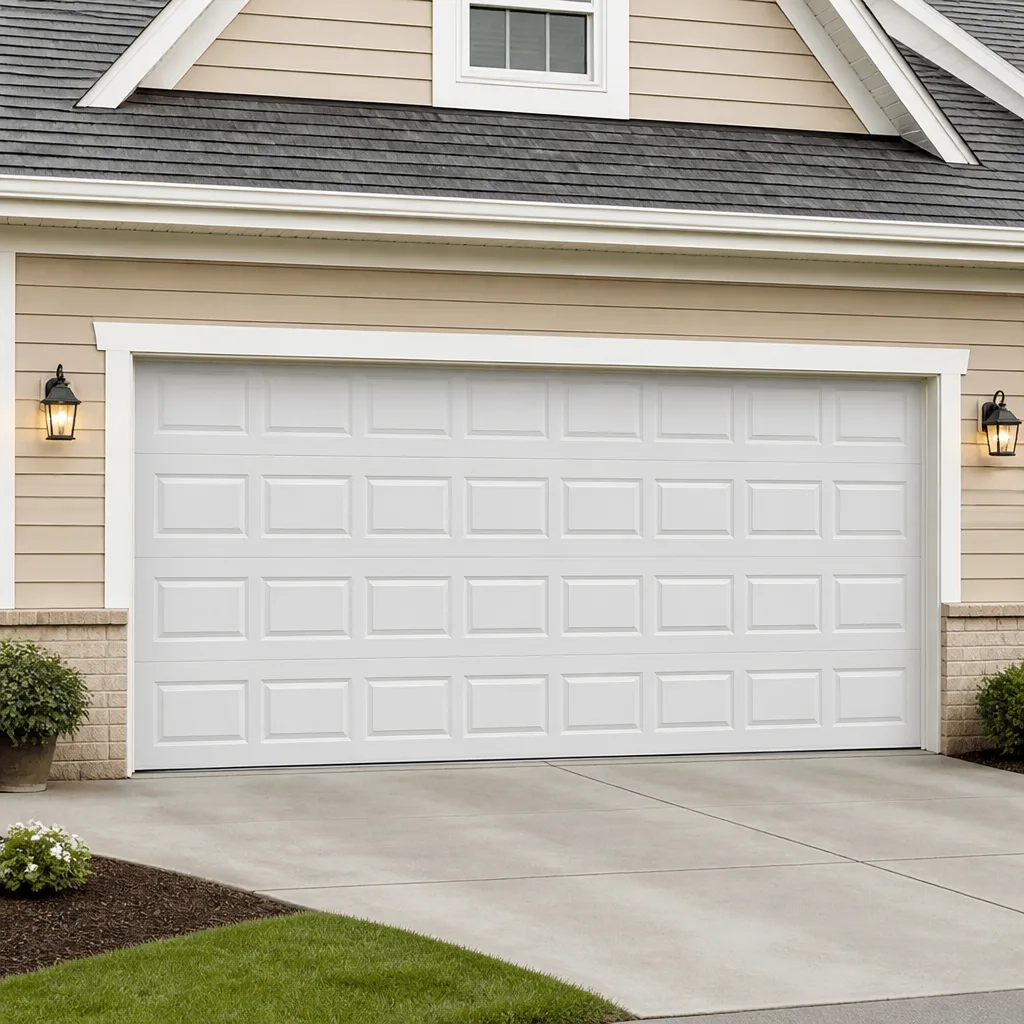 Raised-panel steel
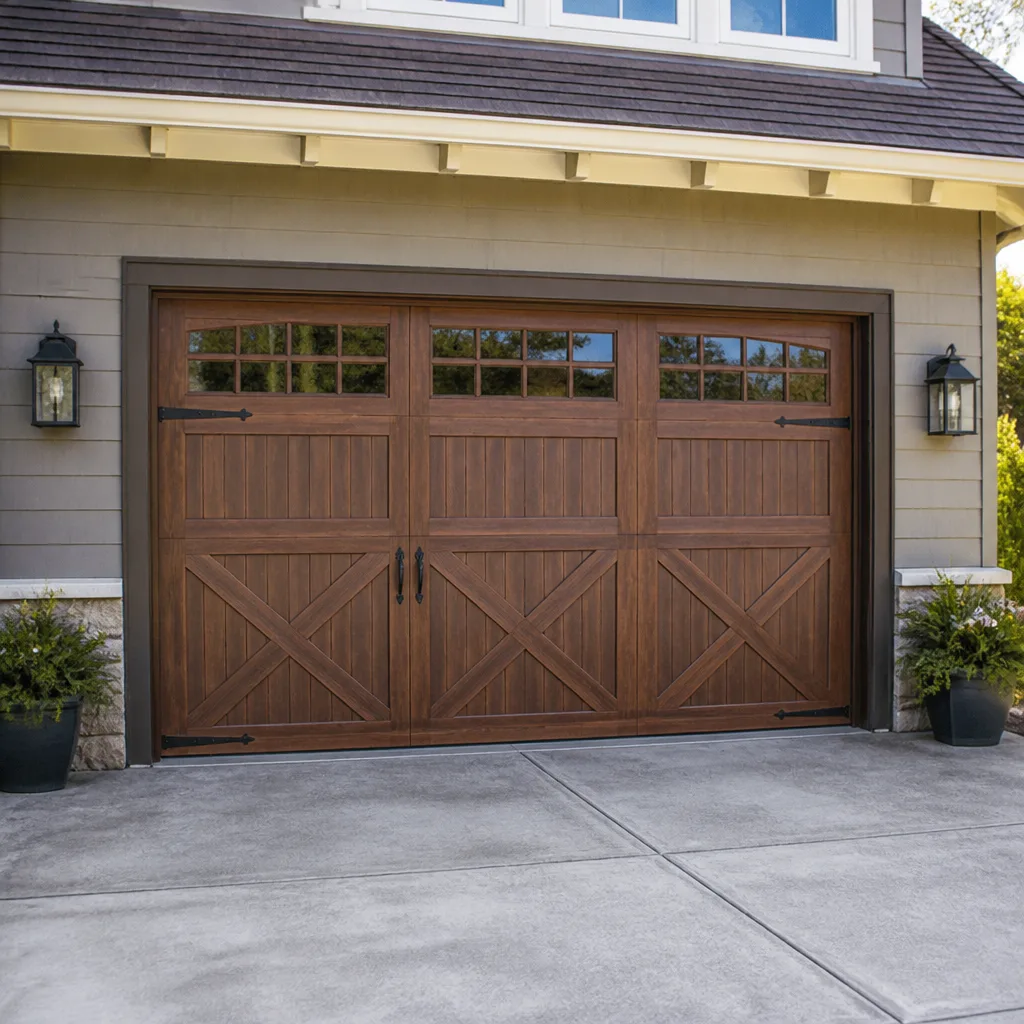 Carriage house
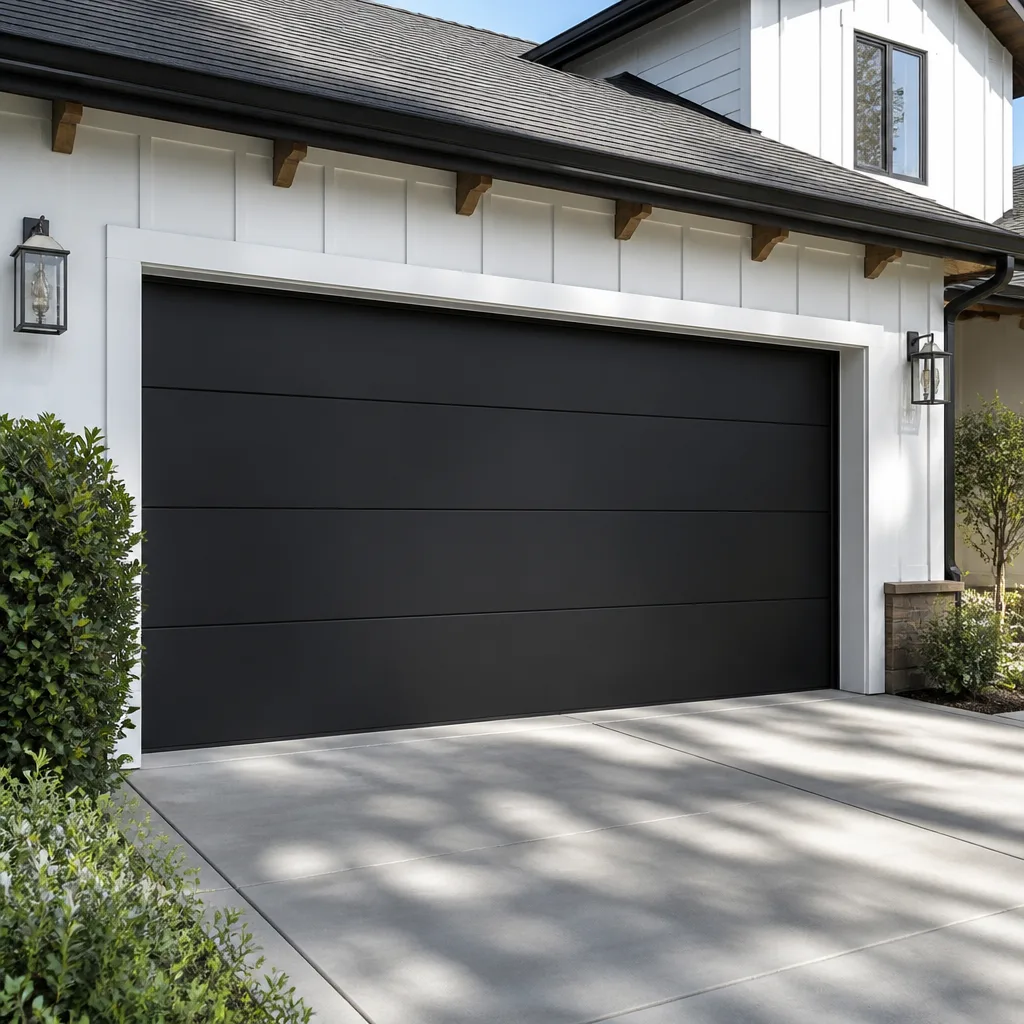 Modern flush
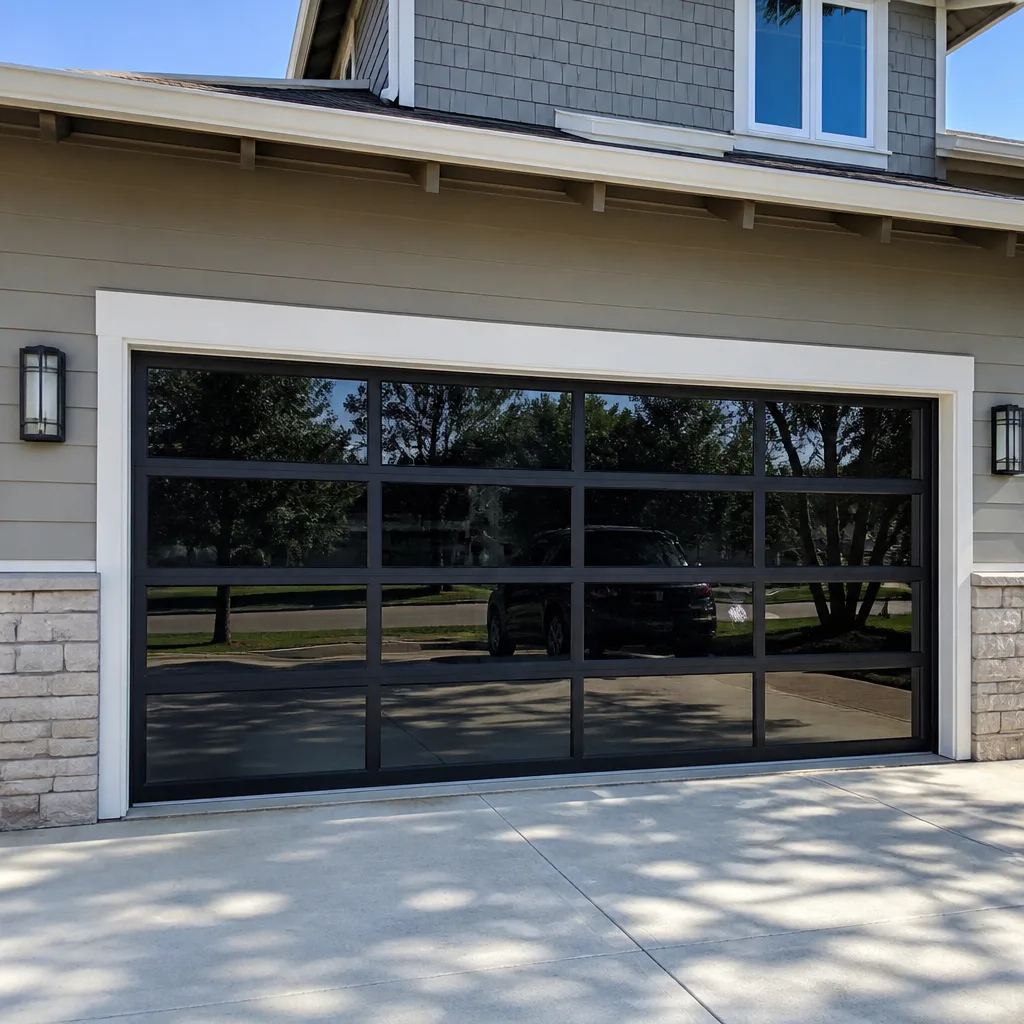 Full-view glass
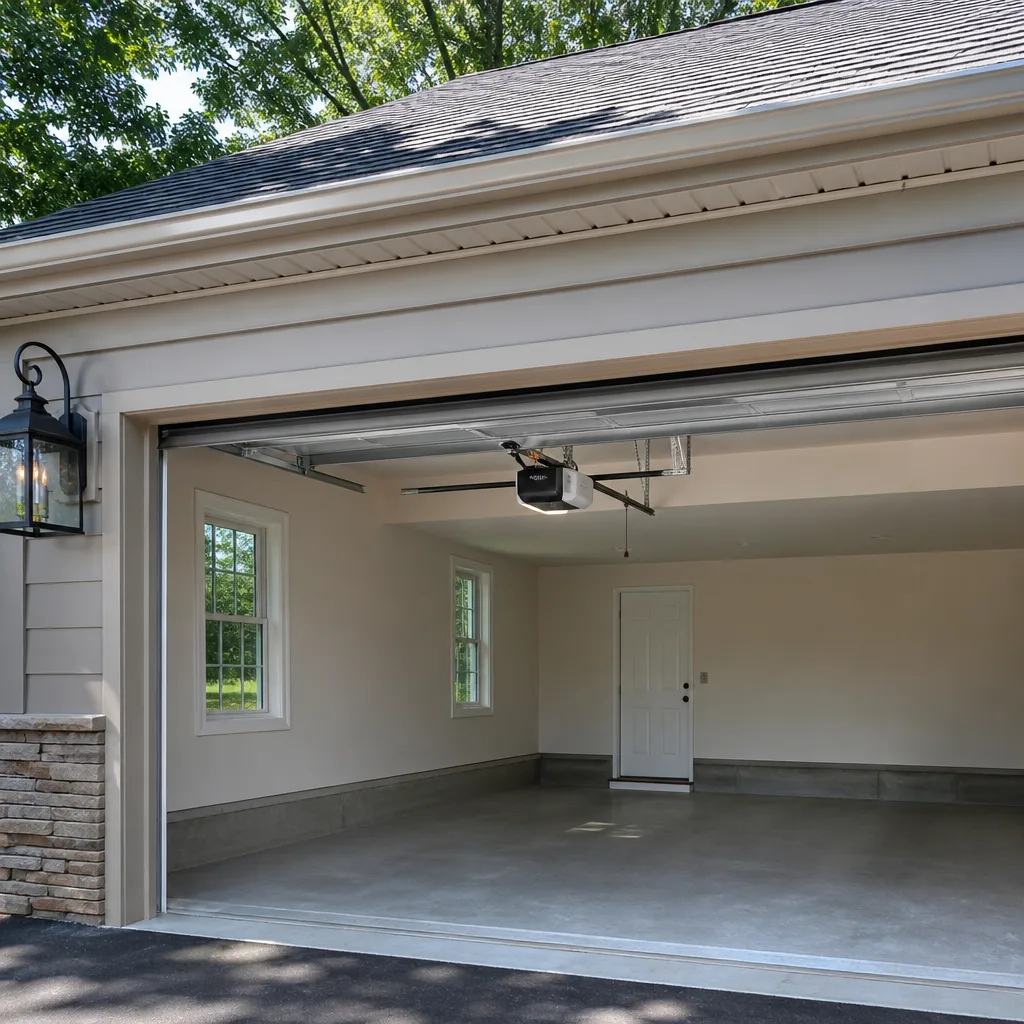 LiftMaster openers
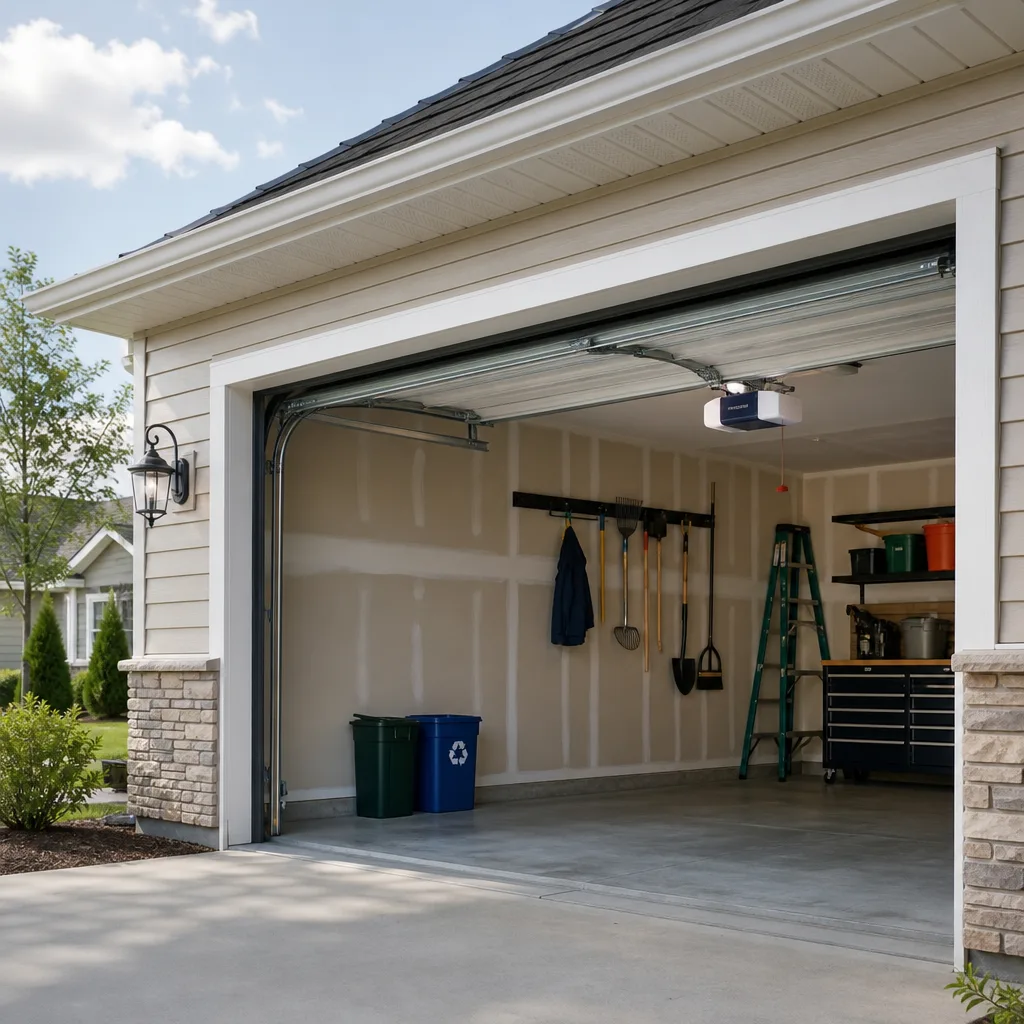 Chamberlain openers
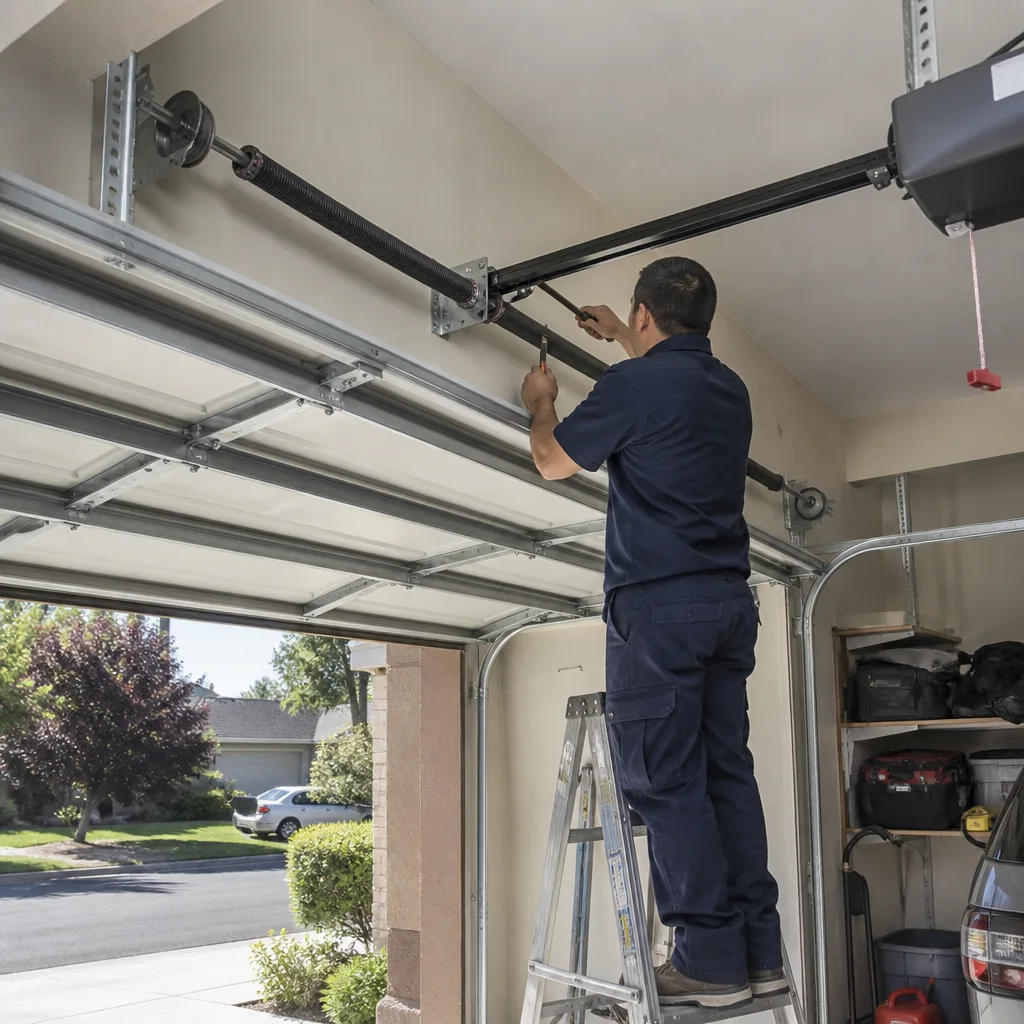
Full 25-point door and opener safety check with every visit - springs, cables, rollers, tracks, and your LiftMaster or Chamberlain opener included
You get a price before we start. It does not change when the truck arrives.
Get your free estimateThe Complete Garage Door Repair Guide for Elk Grove Homeowners
A garage door that “just stopped working” is almost never a single-point failure. The part that broke is usually not the part that caused it to break. A snapped cable traces back to a spring that lost tension six months ago. A burned-out opener motor often follows a door that’s been binding in its tracks for a year. In Elk Grove, where summer heat bakes hardware and winter damp seeps into hinges and rollers, these slow breakdowns accelerate. This guide explains how to identify what’s actually wrong with your door, which repairs are safe to handle yourself, what you should expect to pay in this market, and what separates a fix that lasts from one that fails again in ninety days. For more guides & resources, see our blog.
Styles & brands we work with
Quick Answer
Garage Door Repair in Elk Grove typically costs between $150 and $450 for most single-component fixes like spring replacement, track realignment, or cable repair. Complete door replacement runs $1,200 to $3,500 depending on size, material, and insulation. The most common root causes are torsion spring fatigue, misaligned tracks, and incorrect opener force settings – and identifying which one is actually failing determines whether a repair holds or repeats.
Table of Contents
- The Three Root Causes Behind Most Garage Door Failures
- How Elk Grove’s Climate Accelerates Garage Door Wear
- Safe vs. Risky: A Repair Decision Tree for Homeowners
- Brand-Specific Failure Patterns We See in Elk Grove Housing
- What the Five Most Common Elk Grove Repairs Should Cost
- Why a “Repaired” Door Still Struggles: Misdiagnosis and Underlying Causes
- DIY or Call a Pro: A Step-by-Step Decision Process
- Common Mistakes to Avoid
- When to Call a Professional
- Frequently Asked Questions
- The Bottom Line
The Three Root Causes Behind Most Garage Door Failures
After years of service calls across Elk Grove, most garage door problems fall into three buckets: springs, tracks, and operator settings. When a homeowner tells us the door “quit working,” the actual diagnosis is one of these three about 85% of the time. Understanding this matters because each failure mode requires a different fix, and applying the wrong one wastes money.
1. Torsion Spring Fatigue
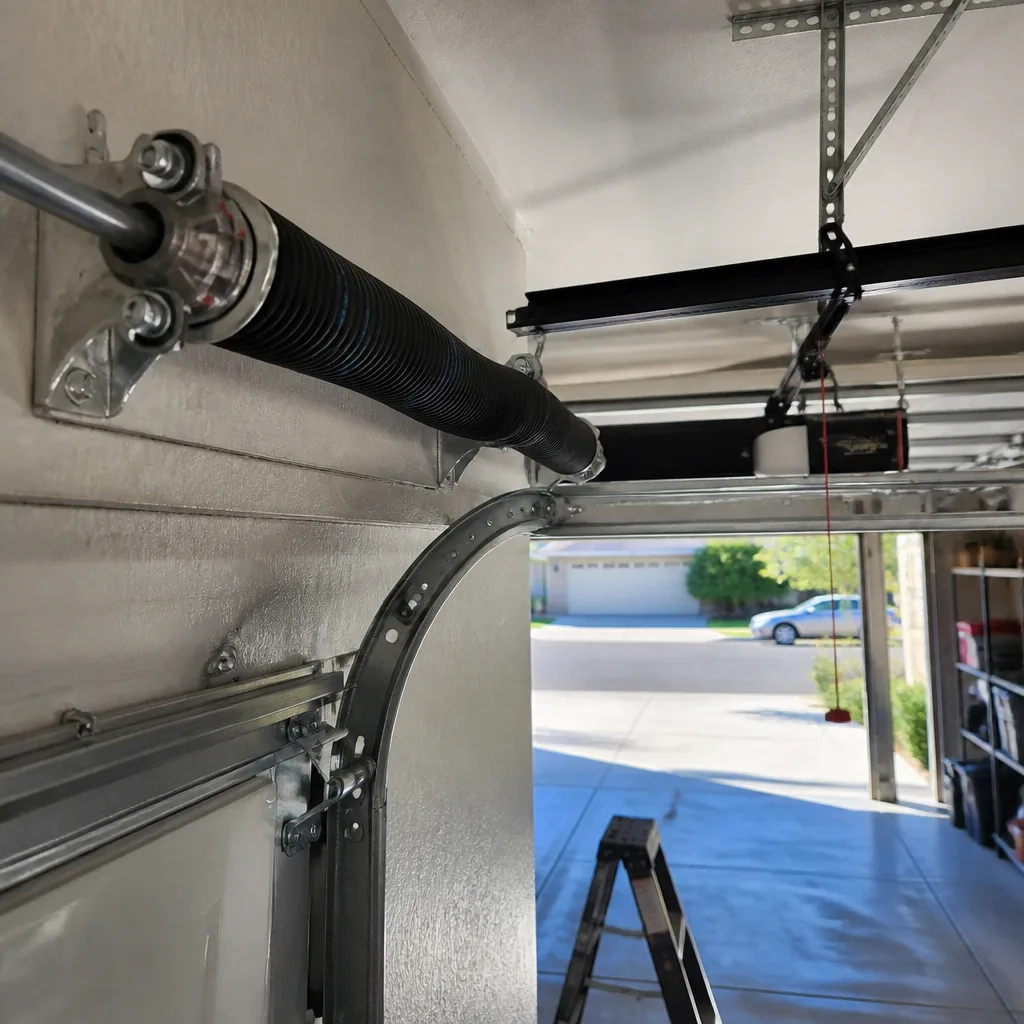
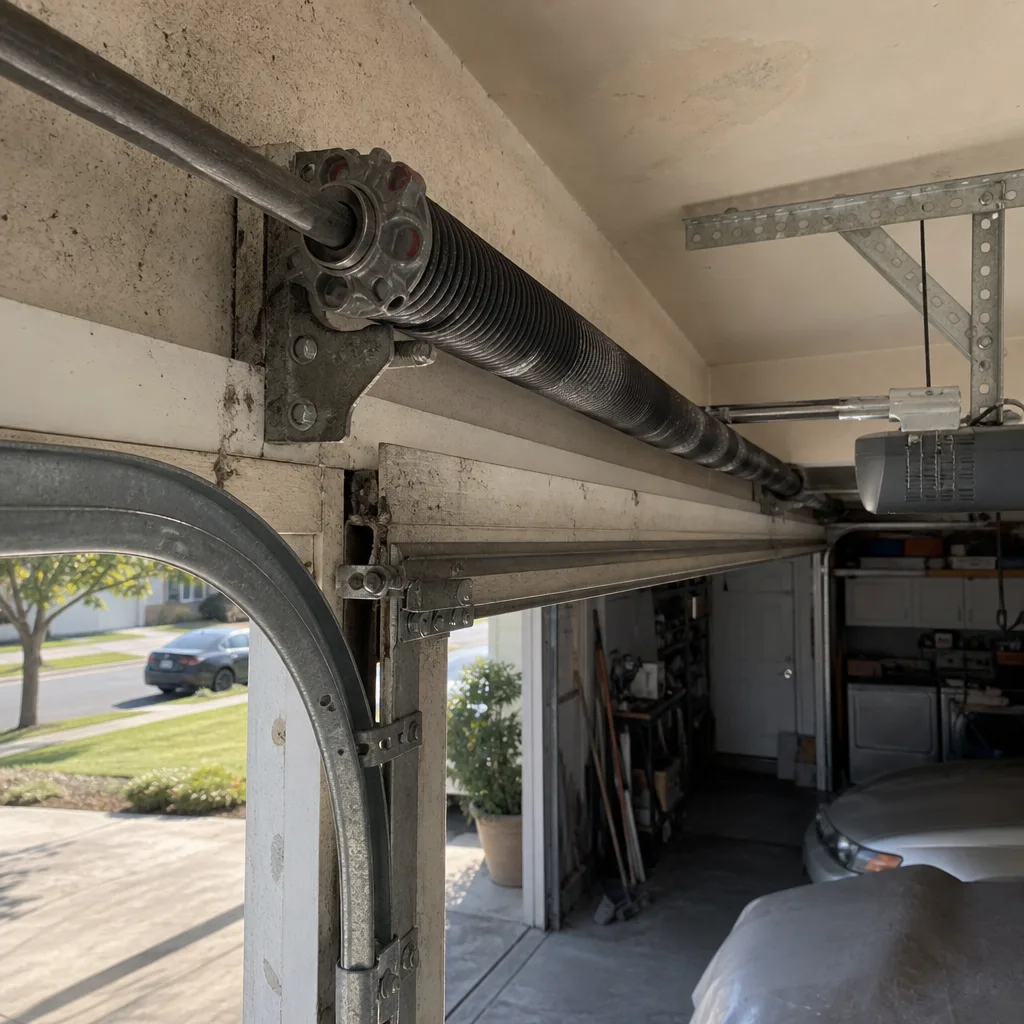
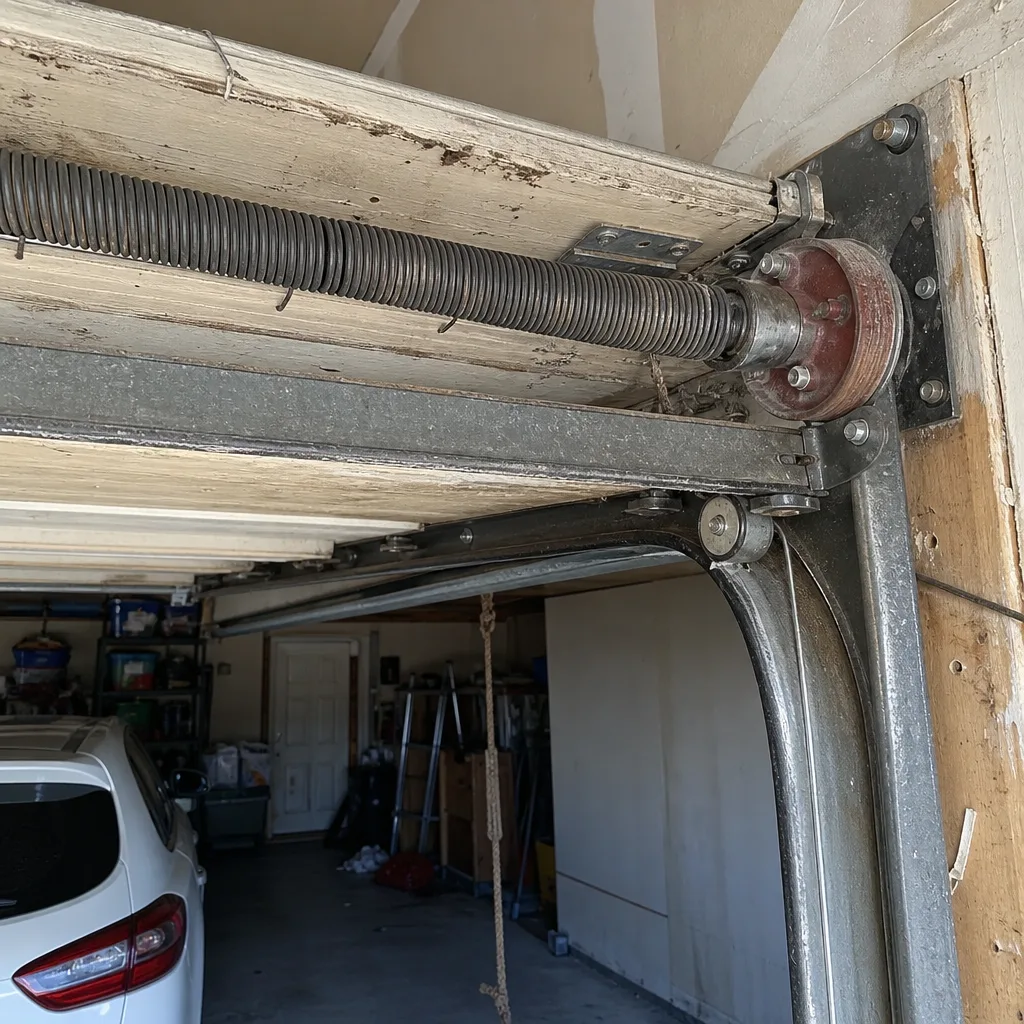
Torsion springs do the heavy lifting. A standard residential door weighs 130 to 180 pounds, and the springs counterbalance that weight so the opener motor only handles a fraction of the load. These springs are rated for roughly 10,000 cycles. For a household that opens and closes the door four times a day, that’s about seven years. When a spring reaches its cycle limit, it snaps – often loudly, sometimes sounding like a gunshot from inside the house. But before the snap, the door gives warning signs: it gets heavy at the bottom of its travel, the opener motor strains audibly, and the door may stop halfway up and reverse.
In Elk Grove, we see spring failures clustered in homes built during the 2000-2010 construction boom, where original builder-grade springs are now past their lifespan. Many of those doors still have their original hardware, and the springs are due.
2. Track Misalignment and Warping
Garage door tracks guide the rollers, and they need to stay true within a quarter inch. When a track bends or shifts, the door binds. Symptoms include grinding noises, uneven gaps at the top or bottom, and a door that hangs slightly to one side. Tracks warp for a few reasons: the door gets hit by a car bumper (common in tight Elk Grove driveways), mounting bolts loosen over time, or thermal expansion and contraction work the metal out of alignment.
3. Operator Force Settings
Most opener issues aren’t motor failures – they’re settings failures. Every opener has adjustable force limits that control how much resistance the motor will push against before reversing. If these limits are set too low, the door stops and reverses unpredictably. If set too high, the opener will keep pushing against an obstruction, which can damage panels and burn out the motor. Humidity, temperature shifts, and spring fatigue all change how much force the door needs, which means settings that worked in winter may fail in July.
How Elk Grove’s Climate Accelerates Garage Door Wear
Elk Grove’s climate is hard on mechanical equipment. Triple-digit summer temperatures in July and August heat the steel in tracks and the coils in torsion springs. Metal expands. That expansion changes clearances and tolerances. Then winter brings damp, foggy conditions that introduce moisture into hinges, rollers, and cables. Here’s how that plays out by component:
- Torsion springs: Heat cycles fatigue spring steel faster. A spring that would last 10,000 cycles in a mild coastal climate may fail at 8,000 cycles in Elk Grove’s inland heat. The repeated expansion and contraction from 100-degree days to 50-degree nights micro-fractures the metal over years.
- Rollers: Nylon rollers hold up better than steel in Elk Grove’s damp winters, but they still wear. When bearings seize, the roller drags along the track rather than rolling, which chews up the track and stresses the opener motor.
- Cables: Moisture from winter fog and morning condensation sits on steel cables, causing corrosion. A corroded cable is weaker. When a torsion spring snaps, the corroded cable is often the next thing to fail.
- Weather stripping: Bottom seals dry out and crack under summer UV exposure. This lets dust, leaves, and pests into the garage and reduces energy efficiency.
- Hardware: Bolts, hinges, and brackets expand and contract at different rates than the door panels they hold. Over years, this loosens connections and leads to wobble and noise.
Homeowners in older Elk Grove neighborhoods – particularly around Laguna Creek and areas with mature tree cover – should pay attention to humidity-driven hinge corrosion. Homes with west-facing garages get hammered by afternoon sun, which degrades seals and plastic components faster than shaded doors.
Safe vs. Risky: A Repair Decision Tree for Homeowners
One of the most important distinctions any homeowner can make is between repairs that are genuinely safe to attempt and repairs that carry real injury risk no matter how many YouTube videos you’ve watched. Here’s the honest breakdown.
Risky – Leave These to a Trained Professional
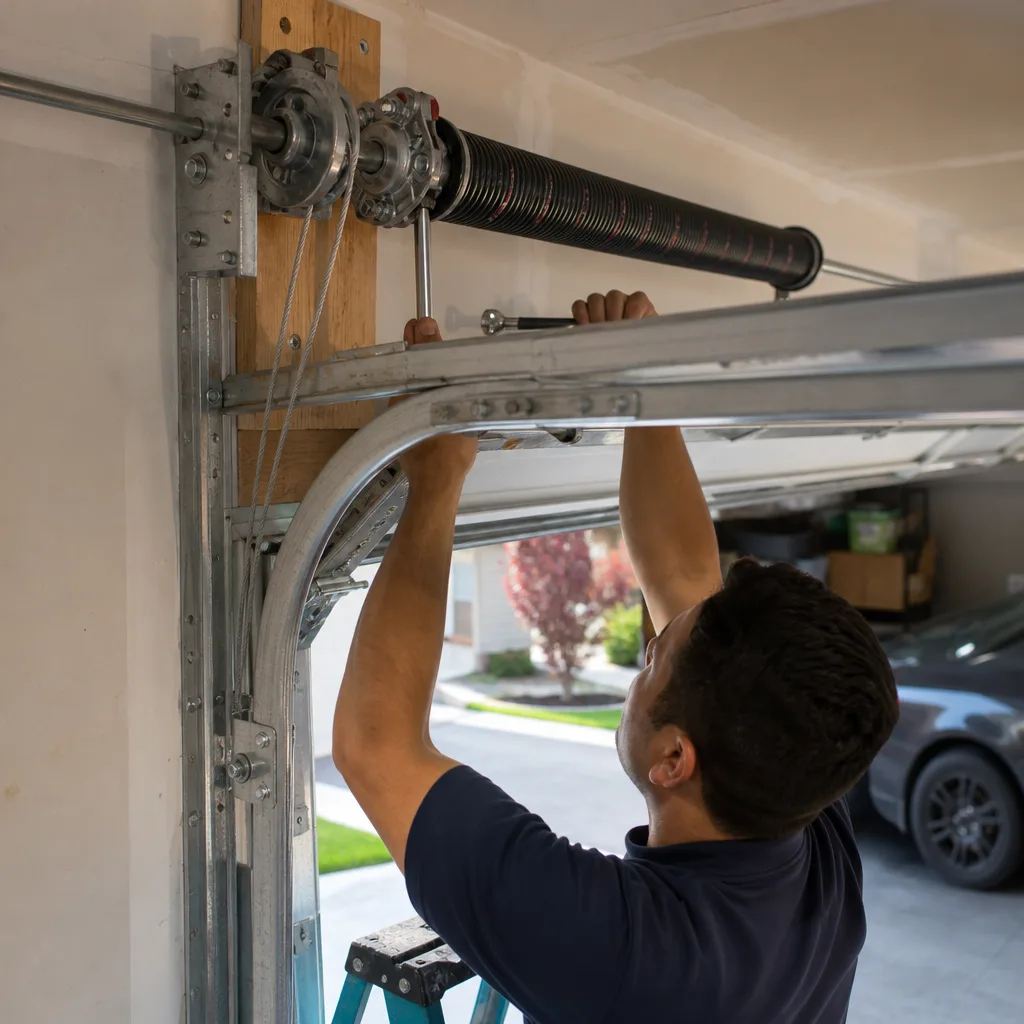
- Torsion spring replacement: These springs are under extreme tension. When they snap or are improperly wound, they release that energy instantly. A torsion spring can break bone, sever fingers, or cause severe facial trauma. This is not a DIY repair. Ever.
- Cable replacement: Cables work in tandem with springs. If the spring is still tensioned and the cable is cut or removed incorrectly, the tension releases unpredictably. The cable itself can whip.
- Track removal or major realignment: Tracks are bolted to the wall and ceiling under the tension of the door. Loosening the wrong bracket can allow the door to fall. Doors weigh well over 100 pounds.
- Bottom bracket replacement: The bottom brackets anchor the cables and bear the door’s weight. They’re attached under spring tension.
These components are under mechanical load, and that load is invisible. You cannot see stored energy. A trained technician knows the release sequence. A homeowner attempting these repairs risks serious injury regardless of how capable they feel.
Safe – These Are Reasonable DIY Projects
- Lubricating rollers, hinges, and springs: Use a lithium-based grease or silicone spray. Avoid WD-40, which displaces the existing lubricant and leaves metal dry.
- Replacing weather stripping: Bottom seals slide out of their channels. Side and top seals staple or nail in place. An hour of work, no risk.
- Tightening loose bolts and hinges: Check all visible hardware monthly. Use a socket wrench, not an impact driver, to avoid overtightening.
- Adjusting opener force settings: Most openers have dials or digital controls for force limits. Follow the manufacturer manual. Test after adjusting with the standard 2×4 obstruction test.
- Replacing remote batteries and reprogramming remotes: Straightforward and clearly documented in every opener manual.
- Cleaning and inspecting tracks: Check for debris, visible bends, and loose mounting bolts. Cleaning doesn’t require removing the track.
The rule of thumb: if it’s under spring tension or bears door weight, call a pro. If it’s cosmetic, adjustable, or replaceable without touching the spring assembly, it’s a weekend project.
Brand-Specific Failure Patterns We See in Elk Grove Housing
Elk Grove’s housing stock spans several build eras, and each era has its own common door brands. When we diagnose a door, knowing the brand tells us where to look first. Elk Grove Garage Door Service is certified to service eight of the industry’s leading brands: LiftMaster, Chamberlain, Genie, Clopay, Amarr, Wayne Dalton, Craftsman, and Raynor. That fluency matters because each manufacturer has distinct failure patterns.
Clopay
Clopay is one of the most common door brands in Elk Grove subdivisions built since 2005. These doors are generally solid, but we see repeated issues with their bottom seal retainers loosening over time. The aluminum retainer channel that holds the rubber seal bends easily, especially if the door gets bumped by a car bumper. When the retainer bends, the seal drags unevenly and lets moisture in. The fix is usually straightforward, but it’s often misdiagnosed as a “broken seal” when the actual issue is the retainer itself.
Wayne Dalton
Wayne Dalton’s TorqueMaster spring system is a departure from standard torsion springs. The springs are enclosed in a tube, which keeps them cleaner but makes them harder to inspect. In Elk Grove, we encounter Wayne Dalton doors from the late 1990s and early 2000s, and their enclosed springs mask fatigue. Homeowners often don’t realize a spring is nearing failure until it breaks inside the tube. The good news: these systems can be retrofitted to standard torsion springs when replacement time comes, which gives better service life in Elk Grove’s climate.
CHI and Other Builder-Grade Doors
Many Elk Grove homes with original 1990s or 2000s doors have builder-grade hardware. These doors use thinner steel panels and lighter-gauge tracks than premium replacements. We regularly see track wallowing – the roller wears a groove into a thin track over time, causing the roller to bind. Once a track is wallowed, adjusting force settings only masks the problem. The track needs replacement or the door needs a full hardware upgrade. This is the kind of underlying cause that gets missed when someone replaces a spring or adjusts the opener without examining the full system.
LiftMaster and Chamberlain Openers
These are sister brands under the same parent company, and they dominate Elk Grove garages. Their failure modes are predictable: drive gears wear on chain-drive models after 8 to 12 years, and logic boards fail on units subjected to power surges. Elk Grove’s occasional summer thunderstorms bring surges that fry opener boards. A browned or dead opener after a storm is often a board failure, not a motor failure. We can usually confirm this quickly, and it changes the repair-vs-replace math. For opener-specific guidance, see our detailed Garage Door Opener Repair in Elk Grove page.
Whatever brand is on your door, we know it. That’s not a sales line – it’s a diagnostic advantage. When a technician already knows that a Genie opener tends to have force-limits that drift or that an old Craftsman has brittle plastic gears, the diagnosis is faster and the fix is right the first time.
What the Five Most Common Elk Grove Repairs Should Cost
Homeowners deserve to know what a fair price looks like before a technician arrives. Here are honest cost benchmarks for the five most common garage door repairs in Elk Grove, based on what we see across the local market. These represent ranges for typical single doors; high-tension work and custom hardware will land higher.
| Repair | Typical Elk Grove Cost Range | Labor Time | Notes |
|---|---|---|---|
| Single torsion spring replacement | $180 – $300 | 45-90 min | Both springs usually replaced for even tension |
| Track realignment | $120 – $250 | 30-60 min | Does not include new track sections if needed |
| Cable replacement (both sides) | $150 – $280 | 45-75 min | Often follows spring replacement |
| Opener logic board replacement | $150 – $350 | 45-60 min | Part cost varies significantly by brand |
| Roller replacement (set of 10-12) | $120 – $220 | 60-90 min | Nylon rollers recommended for quieter operation |
What makes a quote reasonable? A technician who takes the time to identify the underlying cause before quoting a fix. A spring that snaps because it reached end-of-life is one thing. A spring that snaps because the door was binding on a wallowed track is another – replace the spring without addressing the track and you’ll be back in the same position within a year. The right technician tells you that before you pay for anything. That’s the difference between Garage Door Repair in Elk Grove done right and a patch job.
If a full replacement makes more sense than repeated repairs, see our Garage Door Installation in Elk Grove guide for what a new door should cost and how to choose the right one for this climate.
Why a “Repaired” Door Still Struggles: Misdiagnosis and Underlying Causes
We get called out to plenty of doors that were “just fixed” by another company or a well-meaning handyman. The door worked for two weeks, then the same symptoms came back. That’s not bad luck. It’s a misdiagnosed underlying cause.
The most common pattern we see:
- Spring replaced, cable looked fine, door still binds a month later. The original spring failed because the door was binding. The cable was already fraying. The spring replacement restored lift, but the frayed cable was already weakened, and it snapped under the new tension. Now the customer pays for a cable replacement on top of a spring replacement they thought fixed the problem.
- Opener adjusted, works for a week, starts reversing again. The opener force was dialed up to overcome a door that’s getting heavier because a spring is weakening. Adjusting the opener does not fix the spring. It just builds a bigger band-aid. Eventually the spring snaps or the motor burns out.
- Track “fixed” with a hammer and a prayer. A bent track can sometimes be coaxed back into shape. But if the bend was caused by a roller that seized, that roller is still bad. The new alignment wears out in weeks because the bad roller is still dragging.
- One panel replaced, door still sags. Sections share load. If one panel was damaged by impact, the connecting hinges and the sections around it may also be stressed. Replacing only the visibly damaged panel leaves a door that doesn’t sit square.
We diagnose first, recommend second. This is the core difference between a quick fix and a repair that holds. When a technician works only on the part you pointed at, they might be fixing a symptom. When they inspect the full system – springs, cables, tracks, rollers, panels, and opener – they find the cause. That full-system approach is why we handle both the mechanical and electromechanical sides of the door in one visit. One call covers the door and the opener. No need to schedule two different contractors.
DIY or Call a Pro: A Step-by-Step Decision Process
The decision to DIY a garage door repair should follow a logical sequence, not an emotional one. Here’s the process we recommend. It’s the same framework we walk customers through when they call us asking whether a repair is worth doing themselves.
- Identify the symptom precisely. “The door won’t open” is not a symptom. “The door reverses immediately after touching the floor” is. “The opener hums but the door doesn’t move” is. Write down exactly what happens, when it happens, and any sounds involved.
- Visually inspect without touching anything under load. Look at the springs, cables, and tracks. Do you see a visible gap in a spring? A frayed cable? A bent track? A disconnected emergency release? Take photos. Do not pull on cables or springs.
- Check the opener’s simple fixes first. Is the opener plugged in? Is the circuit breaker tripped? Are the photo-eye sensors aligned and unobstructed? Is the emergency release cord disengaged? These cause more service calls than actual mechanical failures in Elk Grove.
- Run the door manually. Disengage the opener using the emergency release. Can you lift the door by hand? A properly balanced door opens with reasonable effort and stays mid-height. If it’s heavy, a spring is failing. If it’s binding at a point, the track or rollers are suspect. If it opens smoothly by hand, the problem is in the opener, not the door.
- Classify the failure. Spring issue, track issue, cable issue, or opener issue. Use what you’ve observed:
- Heavy door, visible spring gap: spring failure. Call a pro.
- Grinding, uneven gaps, visible track damage: track issue. Minor cleaning is DIY; realignment is best left to a pro.
- Frayed or snapped cable: cable failure. Call a pro. Always.
- Door opens fine manually but not with opener: opener issue. Check settings and remote batteries first.
- Decide based on risk, not just cost. Lubrication, seal replacement, tightening bolts, and opener programming are DIY-appropriate. Anything involving springs, cables, or load-bearing brackets is professional work. The injury risk is not theoretical. Garage door injuries send thousands of Americans to emergency rooms every year, and spring tension is the leading cause.
- If uncertain, have it professionally diagnosed. A diagnostic visit costs far less than a hospital bill or a repeated repair. Elk Grove Garage Door Service offers free estimates in Elk Grove – call us, tell us what you’re seeing, and we’ll give you an honest read before scheduling a fix.
Common Mistakes to Avoid
- Replacing only one spring. Springs are installed in pairs and fatigue at similar rates. Replacing just the broken spring leaves a weaker old spring that will likely fail soon, and the imbalance can cause uneven door travel. You’ll pay for two service visits instead of one.
- Using WD-40 on rollers and springs. WD-40 is a penetrant, not a lubricant. It strips the existing grease and leaves metal components susceptible to corrosion. Use lithium grease on springs and hinges, silicone spray on tracks and rollers.
- Ignoring the photo-eye sensors. When a door closes most of the way and then reverses, many homeowners assume a motor problem. The most common cause is misaligned photo-eye sensors. Check alignment before scheduling a service call; it takes 30 seconds and solves the problem more often than you’d expect.
- Adjusting the opener force to overcome a heavy door. If the door is getting harder to lift, the springs are weakening. Cranking up opener force masks the symptom, stresses the motor, and creates a safety hazard when the door no longer reverses on obstruction. Fix the spring; don’t compensate with the opener.
- Skipping regular visual inspection. Garage doors don’t fail silently. Springs show gaps before they snap. Cables fray before they break. Tracks rust before they bend. A monthly 60-second inspection catches most failures early, before they become emergency calls.
- Relying on a generalist contractor. A general handyman who “does garage doors sometimes” will not have the depth of brand-specific knowledge needed for a proper diagnosis. The right fix for your door, not the easiest upsell, comes from someone who works on a dozen doors a week, not a dozen doors a year.
When to Call a Professional
Call a professional if you notice any of these: a visible gap in a torsion spring, a frayed or snapped cable, a door that is suddenly heavy when you lift it manually, a door that hangs unevenly or sags visibly, a track that is bent or pulling away from the wall, or an opener that hums but won’t move the door. These are all either dangerous to attempt yourself or indications that the underlying problem is more serious than the visible symptom suggests. A trained technician can identify the root cause in one visit and recommend a fix that holds. For a free Elk Grove Garage Door Service home estimate, call us at (844) 766-3083. We’ll tell you honestly whether the repair is worth doing or whether replacement is a better long-term investment.
Frequently Asked Questions
Most single-component repairs in Elk Grove run between $120 and $300, with spring replacement landing around $180 to $300 and track realignment between $120 and $250. Full door replacement ranges from $1,200 to $3,500 depending on size, insulation, and material. Every quote should be provided before work starts, so you know the number before anyone touches your door. Call (844) 766-3083 for a free, no-pressure estimate.
In most cases, yes. Elk Grove Garage Door Service keeps common replacement parts for LiftMaster, Chamberlain, Genie, Clopay, and other major brands stocked on service vehicles, which means many repairs can be completed on a single visit. Some specialized hardware may need to be ordered, but we’ll tell you that before scheduling. Call (844) 766-3083 for a free estimate.
We’re certified to service eight of the industry’s leading brands: LiftMaster, Chamberlain, Genie, Clopay, Amarr, Wayne Dalton, Craftsman, and Raynor. Because we work across all major manufacturers rather than representing one brand, our recommendations are driven by your situation and budget, not distributor margins. Whatever brand is on your door, we know it.
No. The price we quote is the price you pay. We diagnose first, recommend second, and if additional work is needed beyond the initial estimate, we’ll call you with a revised quote before any additional work begins. No surprises on the invoice, ever. Call (844) 766-3083 to discuss your situation.
Standard torsion springs are rated for about 10,000 cycles, which translates to roughly seven years for a typical Elk Grove household that opens and closes the door four times daily. Elk Grove’s triple-digit summer heat can shorten that lifespan by accelerating metal fatigue. If your springs are over seven years old, budget for replacement before they fail.
Springs, cables, and any component under tension are dangerous to work on without training and proper equipment. Torsion springs release stored energy violently when mishandled, and cables under load can whip with enough force to cause severe injury. Lubrication, weather stripping, and opener settings are safe DIY tasks. Spring, cable, and track work should be left to a professional.
The Bottom Line
Most garage door problems in Elk Grove come down to three root causes: spring fatigue, track misalignment, or opener force settings. Identifying which one is actually failing before paying for a repair is the difference between a fix that holds and a fix that repeats. Elk Grove’s climate accelerates wear on springs, cables, and seals, so local homeowners should expect shorter lifespans on these components than homeowners in milder areas. For safe, low-risk maintenance like lubrication and seal replacement, DIY is fine. For springs, cables, and track work, the injury risk demands a trained professional. Garage doors are all we do. One call covers the door and the opener. We diagnose first, recommend second. Call (844) 766-3083 for a free estimate in Elk Grove.
Written by the team at Elk Grove Garage Door Service, serving Elk Grove since 2018.
See the difference
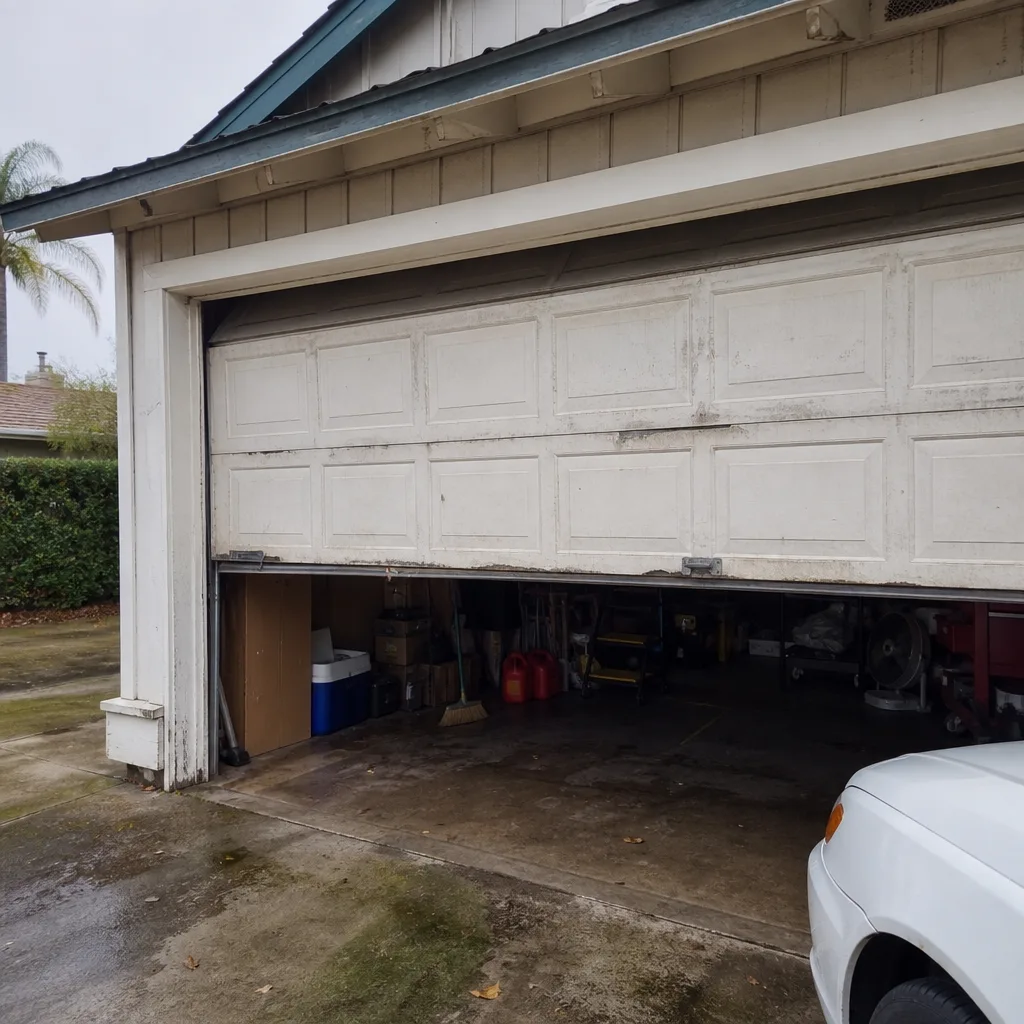 Before
 After
 Before
 After
 Before
 After