
Last updated October 31, 2026
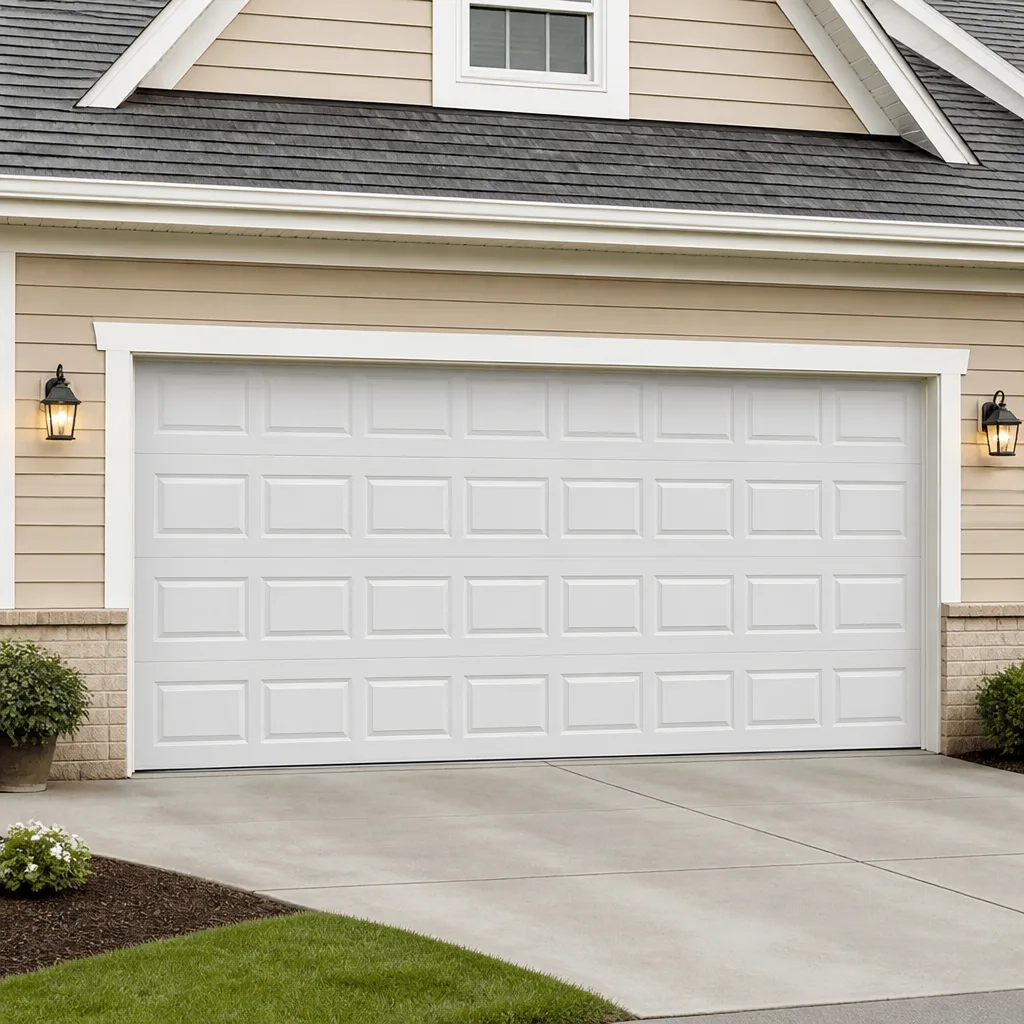 Raised-panel steel
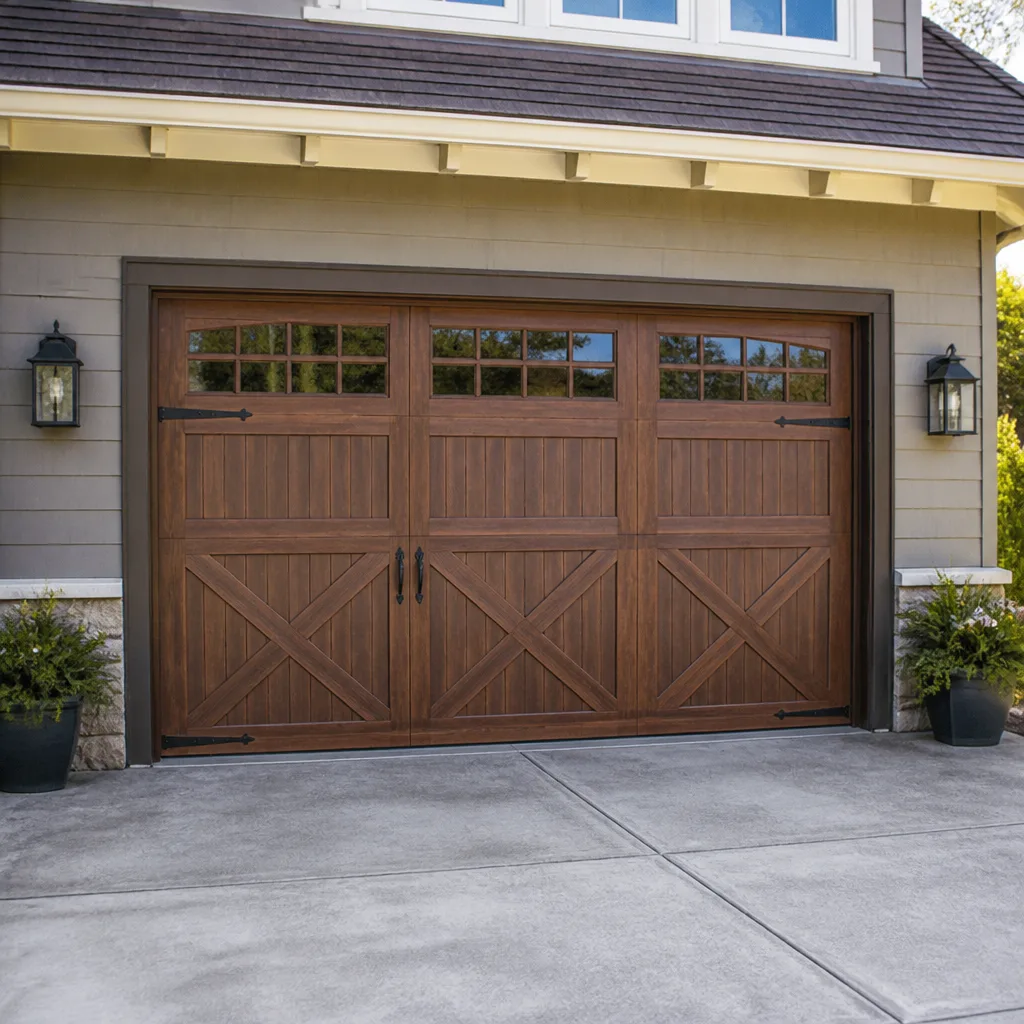 Carriage house
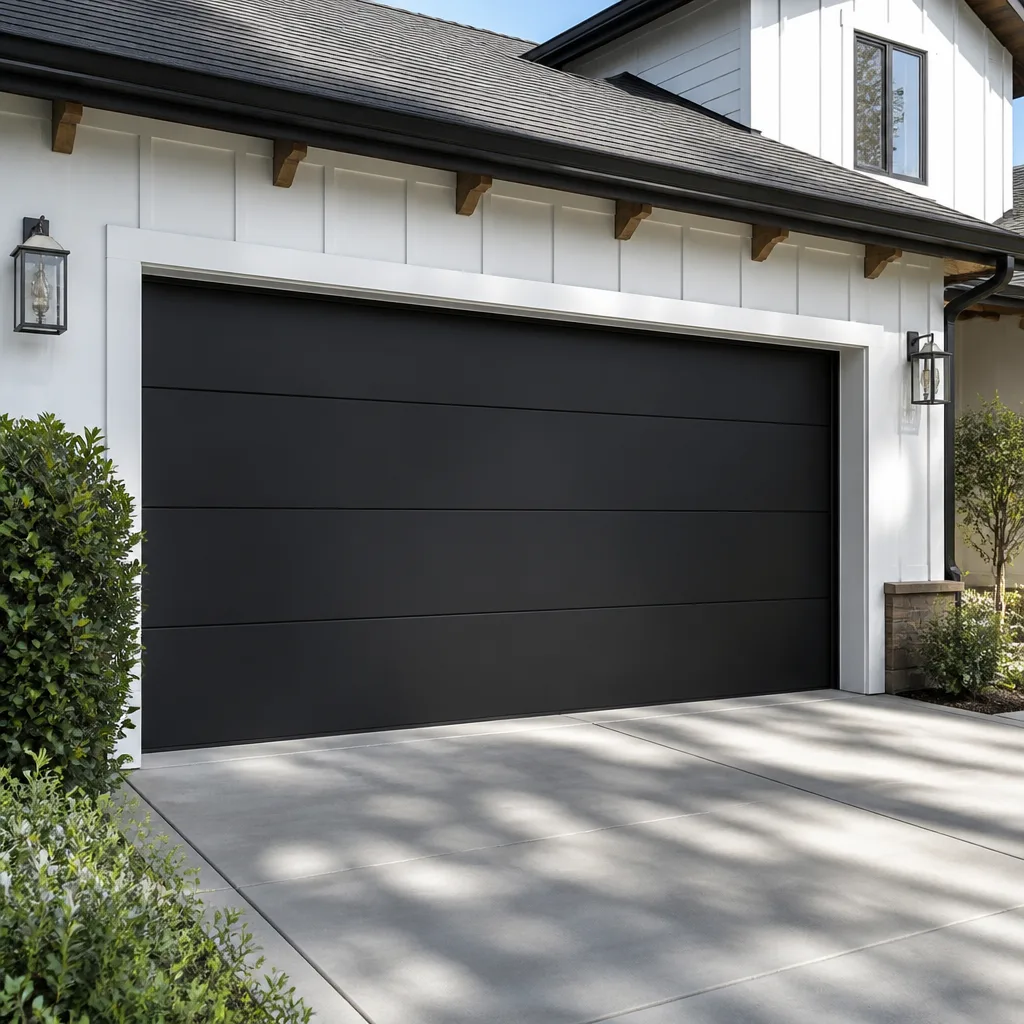 Modern flush
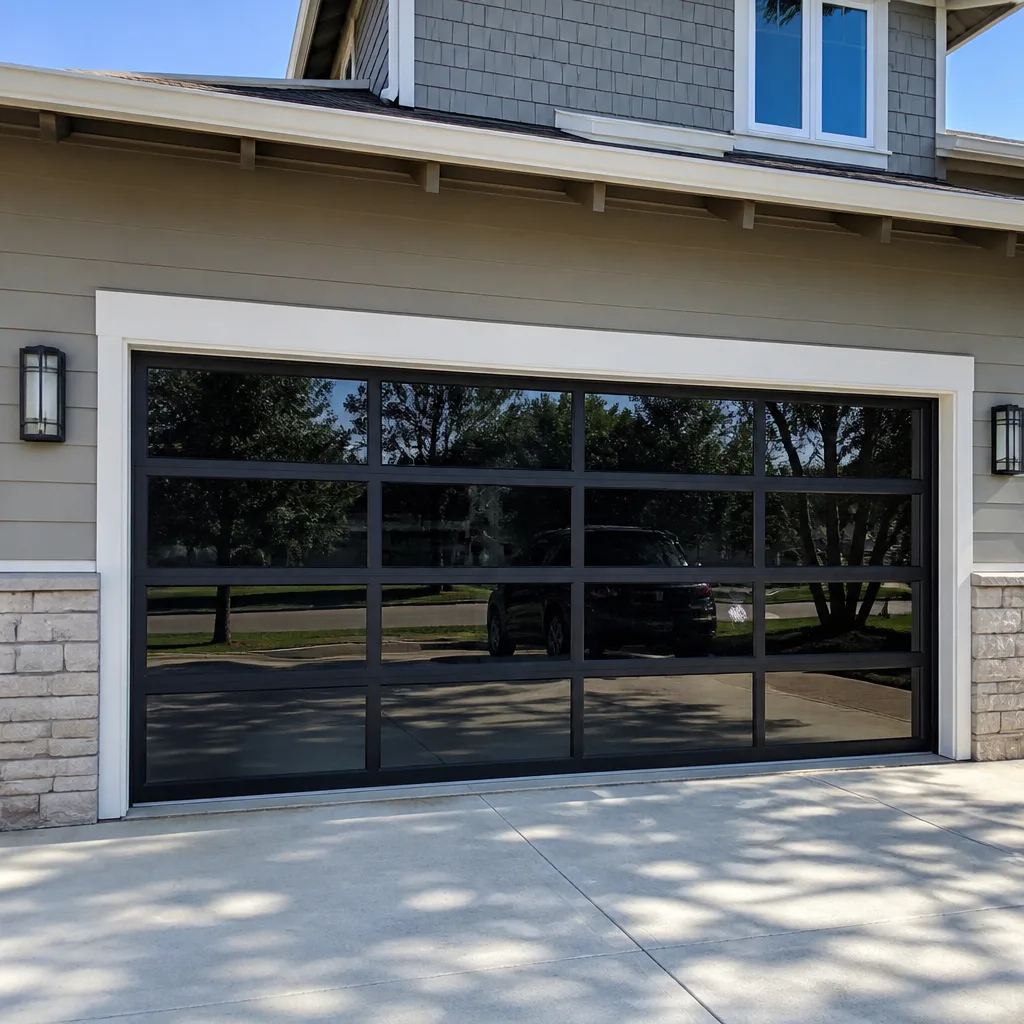 Full-view glass
 LiftMaster openers
 Chamberlain openers
Full 25-point door and opener safety check with every visit - springs, cables, rollers, tracks, and your LiftMaster or Chamberlain opener included
You get a price before we start. It does not change when the truck arrives.
Get your free estimateGarage Door Permits, Codes & Inspections in CA: What You Need to Know
A garage door installed without a required permit doesn’t just risk a fine. It can appear as an open permit or non-permitted alteration on a title search and stall or kill a home sale years after the work was done. We’ve watched sellers in Elk Grove scramble to fix exactly that problem a week before closing. This guide explains when California actually requires a permit for garage door work, what inspectors look for, and how to resolve an unpermitted installation before it becomes someone else’s problem. For Garage Door Warning Signs: A Elk Grove Homeowner’s Reference Guide, see our companion resource.
Quick Answer
In California, a like-for-like garage door replacement that doesn’t modify the opening, framing, or electrical supply typically does not require a permit. Any work that alters the rough opening, changes structural headers, adds new wiring, or converts a garage to living space does. Because the California Building Code defers to local amendments, Sacramento County and the City of Elk Grove apply slightly different thresholds, and ignoring those differences is where homeowners get into trouble. If you’re already seeing issues, our Garage Door Repair Troubleshooting: Common Problems and How to Fix Them can help you diagnose what’s actually wrong.
Styles & brands we work with
Table of Contents
- When a Garage Door Permit Is Required in California
- When You Don’t Need a Permit
- The California Building Code Threshold: Like-for-Like vs. Alteration
- Sacramento County vs. Elk Grove: Local Amendments That Change the Rules
- UL 325 and Why Opener Compliance Matters at Inspection
- How to Resolve an Unpermitted Garage Door Installation Before a Sale
- What an Inspector Actually Checks During a Garage Door Inspection
- Common Mistakes to Avoid
- When to Call a Professional
- Frequently Asked Questions
When a Garage Door Permit Is Required in California
A permit is triggered when the work moves beyond replacing a component and into altering the structure or the electrical system. The California Building Code (CBC), specifically Chapter 1, Section 105, requires a building permit for any work that alters a building’s structural members, changes the size of an opening, or modifies the means of egress. A garage door that changes the rough opening width or height falls squarely into that category. So does adding a door where none existed before.
Here are the specific situations where a permit is required in California, including Elk Grove:
- Changing the rough opening size: If the new door requires reframing the opening, even by a few inches, that’s an alteration requiring a permit and an inspection of the new header.
- Adding a new door opening: Cutting a new opening in a garage wall always requires a structural permit and an engineer’s letter for the beam above the opening.
- New electrical wiring for an opener: Running a new circuit, adding a dedicated outlet, or moving the opener’s power source from one location to another requires an electrical permit. Replacing an opener using the existing outlet generally doesn’t.
- Converting garage space adjacent to the door: If the door is part of a larger project that changes how the garage functions, the permit scope expands accordingly.
- Replacing a roll-up commercial door with a different type in a residential garage: A change in door type that alters how the door mounts to the building structure can trigger a permit review.
Most of the permit work we see in Elk Grove falls into two categories: homeowners widening an opening to fit a larger vehicle, and older homes where the original door was never properly permitted in the first place. Both situations come up at resale, and both are fixable.
When You Don’t Need a Permit
The most common garage door project in California, swapping an old door for a new one of the same size using the existing tracks, springs, and opener mounting points, does not require a permit. This is classified as a like-for-like replacement or minor repair under CBC Section 105.2, which exempts “minor repairs and alterations” that don’t affect structural safety, egress, or electrical systems.
Here’s what’s exempt in practice:
- Panel replacement on the same door: Swapping dented or damaged panels on an existing door does not require a permit.
- Spring or cable replacement: Repairing or replacing the mechanical lifting components of the door itself is ordinary repair work.
- Track replacement with identical configuration: Replacing worn tracks with new ones mounted in the same position doesn’t trigger a permit. Moving track positions to change door angle or create more headroom can.
- Opener replacement using the existing outlet and mounting points: Swapping one opener for another that plugs into the same receptacle does not require an electrical permit. Cross-brand swaps like a Craftsman for a LiftMaster are fine as long as the mounting bracket and wiring are reused.
- Safety sensor replacement: Photo-eye sensors are a replaceable component, not a code event.
We replace doors in Elk Grove regularly where the homeowner has confirmed with the building department that no permit applies. The important distinction is this: if the physical dimensions of the opening don’t change and no new electrical work happens, you’re almost always in exempt territory.
The California Building Code Threshold: Like-for-Like vs. Alteration
California draws a sharp line between replacing what exists and changing what exists. CBC Section 105.1 states that any “building or structure, or any part thereof” that is erected, enlarged, altered, repaired, moved, improved, or converted requires a permit unless specifically exempted in Section 105.2. The exemption list includes cosmetic work, minor repairs, and the direct replacement of worn parts. That’s the like-for-like category.
The alteration category covers anything that changes the door’s relationship to the building. Here’s how that plays out in the real world:
- Amarr door replacing an Amarr door of the same size: No permit. You’re replacing a component.
- Amarr door replacing a Clopay door of the same size, new tracks required because the mounting points differ: This is the gray zone. If new tracks mount into the same framing and use the same attachment points, most California jurisdictions treat it as replacement. If new holes need to be drilled into structural framing and the mounting pattern changes significantly, a permit reviewer may classify it as an alteration.
- Any door replacing a door where the header is being modified or reinforced: Permit required, no exceptions.
- Adding a second door where a wall exists: Permit required, no exceptions, and the work requires a structural engineer’s stamp.
We tell Elk Grove homeowners the same thing every time: if you’re unsure whether your project crosses the line, call the building department before you start. Sacramento County answers permit questions quickly by phone. Elk Grove’s building division does the same. The five-minute call you make before the work saves you the fifty-day headache of correcting it after.
Sacramento County vs. Elk Grove: Local Amendments That Change the Rules
State code is a baseline. Local jurisdictions adopt the California Building Code with amendments that can tighten or clarify the rules, and Elk Grove and Sacramento County are not identical in how they handle garage door work.
What Sacramento County addresses:
- Unincorporated areas use the county’s own permitting thresholds: Sacramento County has historically been stricter about garage door opener electrical work, particularly in homes built before 1990 where the opener outlet may not be grounded to current standards. Swapping a door and opener in an older home in county jurisdiction can trigger a requirement to bring the outlet up to code.
- Built-in garage conversions: The county scrutinizes any project that could convert garage space, including replacing a sectional door with a wall and solid entry door. The county treats that as a change of use, which kicks off a full permit and inspection process.
What the City of Elk Grove addresses:
- Elk Grove enforces the 2022 California Building Code with local amendments focused on wildfire and wind resistance. Garage doors in Elk Grove’s jurisdiction are subject to wind-load requirements that may not apply in unincorporated county areas. A new door in a new opening must meet the design wind speed for the Sacramento region, which means the manufacturer’s engineering documentation has to match what’s on the plans.
- Elk Grove requires garage door permits to be pulled by a licensed contractor when the work is structural. The city has been clear in its published guidance that a homeowner can pull an owner-builder permit for simple projects but that structural garage door work should be done by a California licensed contractor. Homeowner exemptions don’t extend to work that changes the opening.
- Inspections are scheduled through the city’s online portal, not by calling a general line. If you’re selling a home in Elk Grove with open permit work, the buyer’s title company will see it, and the resolution goes through the city’s process.
The practical takeaway: a replacement door in an Elk Grove home with a standard existing opening is almost always non-permitted work. A door that changes anything about the opening, in either jurisdiction, requires a permit. When in doubt, call the jurisdiction that actually issues your property tax bill.
UL 325 and Why Opener Compliance Matters at Inspection
UL 325 is the safety standard for automatic gate and garage door openers in the United States. It’s not a California code, but California building and electrical codes reference it, and every inspection that involves an opener will check for compliance.
What UL 325 actually requires of a residential garage door opener:
- Entrapment protection: The opener must have two independent systems that reverse the door if something blocks it. The primary system is the motor’s force sensing. The secondary system is the photo-eye sensor mounted no higher than six inches off the garage floor on each side of the opening.
- Manual release: Every opener must have an emergency release handle that disconnects the door from the opener so it can be operated by hand during a power outage. The handle must be red and within reach.
- Reversal on contact: If the door physically hits something on the way down, it must reverse within two seconds.
- Control placement: Wall-mounted controls must be at least five feet above the finished floor, out of the reach of small children.
The inspection risk comes from older openers. A Genie or Chamberlain opener manufactured before 1993 almost certainly lacks modern photo-eye protection and cannot be brought into compliance with UL 325 without an external retrofit kit that most manufacturers no longer support. If you’re installing a replacement door in Elk Grove and the inspector sees an old opener on the new door, they can flag it. We’ve seen final inspections held up for exactly this reason. The fix is simple: replace the opener with a current UL 325-compliant unit, whether it’s a LiftMaster, a new Chamberlain, or a Craftsman model sold within the last few years.
How to Resolve an Unpermitted Garage Door Installation Before a Sale
If you’re preparing a home for sale in Elk Grove and you know the garage door was replaced or altered without a permit, the time to fix it is before the listing goes live. Title companies now routinely check permit history against property records, and a non-permitted garage door alteration can delay closing by weeks or kill the deal entirely.
- Determine what was actually done. Pull the permit history for the property from the City of Elk Grove or Sacramento County building department, depending on jurisdiction. If the door opening was widened, a new header installed, or wiring added, you know the scope of what needs retroactive approval.
- Call the building department and explain the situation. Both jurisdictions have a process for after-the-fact permits. The process is not punitive by design. The goal is to get the work inspected and brought into compliance, not to punish the homeowner who made the mistake.
- Schedule an inspection of the existing work. An inspector will check the framing, header, door attachment, and any electrical work. If everything meets current code, the city will issue a permit retroactively. If something doesn’t meet code, you’ll get a correction list.
- Make the corrections and get a final sign-off. Common corrections include reinforcing a header that was undersized, adding fire-rated material where required, or bringing an outlet up to current electrical code.
- Keep the final inspection record with your closing documents. When the title company asks about the garage door, you have a signed final inspection to hand over. That’s what closes the loop.
We help Elk Grove homeowners through this process regularly. The most common retrofit situation we deal with is a homeowner who widened a two-car opening to fit taller vehicles and never pulled a permit. Most of the time the framing is fine and the correction is paperwork. Sometimes the header is insufficient and needs to be replaced, which means the door has to come down for a day or two. Either way, the solution exists and the seller comes out whole.
What an Inspector Actually Checks During a Garage Door Inspection
If your project does require a permit in Elk Grove or Sacramento County, you’ll have either a rough-in inspection (before drywall and finish work) or a final inspection (after everything is installed). Here’s what the inspector is actually looking at, from our experience working with homeowners through the process:
- Header size and bearing: The beam spanning the garage door opening must be sized correctly for the span and the load above it. This is the most common failure point on retroactive inspections. An undersized header that’s been in place for fifteen years will still get flagged.
- Fire separation at the garage wall: If the garage is attached to the house, the wall between them must have the proper fire-rated assembly. That includes the wall above the door, any access doors, and penetrations.
- Wind-load documentation: For a new door in a new opening, the inspector will want the manufacturer’s engineering letter showing the door meets the design wind speed for the Sacramento region. Brands like Wayne Dalton and Clopay publish these letters for California markets, and having the right documentation ready keeps the inspection moving.
- Electrical grounding: If new wiring was run for an opener, the inspector checks that the circuit is grounded, GFCI-protected where the code requires, and on the correct breaker.
- Safety sensor operation: The inspector may test the photo-eye sensors to confirm they reverse the door. This is the one functional test most inspectors actually perform.
- Manual release access: The emergency release handle must be installed, red, and reachable.
Rough-in inspections happen before the door is hung. The inspector is checking the framing and header. Final inspections happen after the door and opener are installed. The inspector is checking the installed equipment and safety systems. Both are predictable, and both go smoothly when the work was done correctly the first time.
Common Mistakes to Avoid
- Assuming every door replacement needs a permit. Most like-for-like replacements in Elk Grove don’t. Paying for a permit you don’t need doesn’t hurt anything, but it delays the project and costs money. Call the building department and ask.
- Assuming no door replacement ever needs a permit. The opposite mistake, and the more expensive one. A widened opening or new electrical circuit without a permit becomes a title problem at sale, and you’ll pay for the permit plus the correction work later instead of just the permit now.
- Letting a handyman do structural work without checking their license status. In California, structural work that changes a garage door opening must be done by a licensed contractor. An unlicensed handyman can’t pull the permit, and the work they do won’t pass inspection. Homeowners in Elk Grove who use unlicensed labor for structural changes end up paying twice.
- Replacing the door but keeping a 30-year-old opener. The new door works fine, but the old Genie or Chamberlain opener doesn’t meet current UL 325 requirements. The inspector’s visit to sign off on something else turns into an order to replace the opener too.
- Ignoring local amendments because state code seemed clear. Sacramento County and the City of Elk Grove apply different interpretations to gray-zone projects. What flies in one jurisdiction may be flagged in the other. Ask the right building department.
- Waiting until the home is under contract to resolve unpermitted work. A buyer’s title search will find the discrepancy. Now you’re paying rush fees and the deal is at risk. Fix it before you list.
- Thinking a garage door permit is the same as a garage door inspection from the manufacturer. A manufacturer’s warranty inspection is not a building inspection. It doesn’t satisfy the city, and it doesn’t clear a permit issue.
When to Call a Professional
Some garage door permit and inspection issues are worth handling yourself: calling the building department for a quick code question, pulling the permit history on your own home. Others are not. If your door opening has been altered and you need the framing assessed before an after-the-fact inspection, get a contractor who’s done this before. If the header is undersized, the door has to come down and go back up, and that’s not a weekend project. If you’re replacing a door and opener together and want it done right the first time, without guessing on code requirements, hire someone whose entire job is garage doors. Elk Grove Garage Door Service offers free estimates in Elk Grove, and we handle door and opener work as one job, not two. Call (844) 766-3083.
Frequently Asked Questions
No, not for a like-for-like replacement that keeps the same opening size, uses the same mounting points, and doesn’t add new wiring. You need a permit if the opening size changes, the header is modified, or new electrical work is done.
Building permit fees in Elk Grove vary based on the valuation of the work, but a straightforward after-the-fact permit for a garage door alteration typically runs in the low hundreds of dollars. The correction work, if any, is separate. Call the city’s building division for a current fee schedule, and call (844) 766-3083 for an honest assessment of what the correction work might cost. For more guides & resources on garage doors in Elk Grove, visit our blog.
You can list it, but a buyer’s title company will likely find the discrepancy during the title search, and many lenders won’t fund the loan until the permit is resolved. Fixing it before you list is always cheaper than fixing it under contract.
UL 325 is the safety standard for garage door openers that requires entrapment protection, safe control placement, and a functional manual release. Any opener manufactured in the last two decades meets it. Pre-1993 openers often don’t, and they should be replaced whether or not a permit is involved.
Replacing an opener using the existing outlet and mounting points generally does not require a permit. Running new wiring or installing a new outlet for the opener does. The door and the opener are treated separately under code.
The inspector verifies the header and framing (if applicable), checks any new electrical work, and tests the safety sensors and manual release. It’s a short inspection, usually under half an hour, and it passes when the work was done to code.
Yes. All three manufacturers publish engineering letters for California wind-load requirements, and we provide those documents to the building department as part of the permit package when a new door is installed in a new or altered opening.
For a like-for-like replacement, yes. For structural work that changes the opening, technically you can pull an owner-builder permit, but the City of Elk Grove expects structural work to be done by a licensed contractor, and the inspector knows the difference. Most homeowners decide the risk and learning curve aren’t worth it.
The Bottom Line
Garage door permits in California are not complicated, but they are specific. Like-for-like replacements don’t need one. Structural changes and new electrical work do. The nuances matter: Sacramento County and the City of Elk Grove apply their own amendments, UL 325 compliance affects older openers, and unpermitted work from a previous owner becomes a title problem the moment you try to sell. If you’re unsure where your project lands, one call to the building department answers it in minutes. And if the work itself needs to be done right, Garage Door Repair in Elk Grove, Garage Door Opener Repair in Elk Grove, and Garage Door Installation in Elk Grove are all handled by one company that works across every major brand. Call (844) 766-3083 for a free estimate and a straight answer.
Written by the team at Elk Grove Garage Door Service, serving Elk Grove since 2018.
See the difference
 Before
 After
 Before
 After
 Before
 After